
Demigods, Read It Before You See It!
Whether you are new to Percy Jackson or a longtime fan, this tie-in paperback edition with full-color photos from the Disney+ series is a must-have for your library.
Learn More
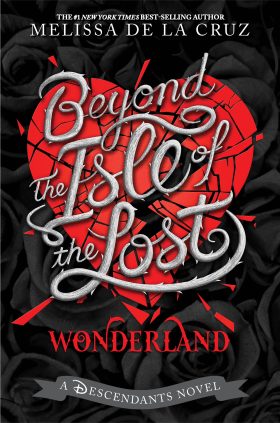
Don’t Be Late For This Very Important Date
The Descendants are back with an all-new cast of characters in this prequel novel to the new Descendants movie on Disney+.
Learn More
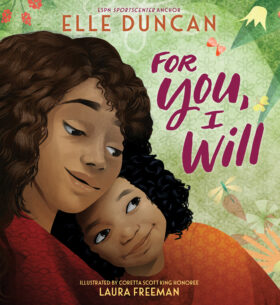
A Picture Book By ESPN SportsCenter Anchor Elle Duncan
Perfect for Mother's Day, birthdays, and baby showers, For You, I Will's tender message expresses all the feelings that come with parenthood and watching your little one grow up.
Learn More
Latest Releases
View All


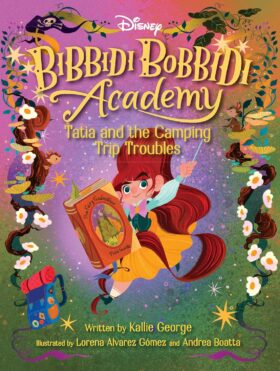
Disney Bibbidi Bobbidi Academy #5: Tatia and the Camping Trip Troubles
Illustrated By: Lorena Alvarez Gómez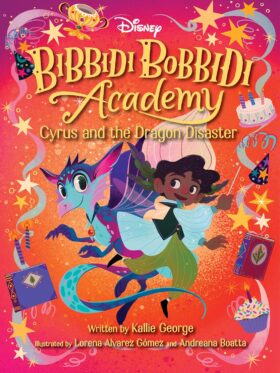
Disney Bibbidi Bobbidi Academy #4: Cyrus and the Dragon Disaster
Illustrated By: Lorena Alvarez Gómez
For You, I Will
Illustrated By: Laura Freeman







For 0-2 Years
View All

Opposites Abstract
Illustrated By: Mo Willems
Alphabooks
Illustrated By: Disney Storybook Art Team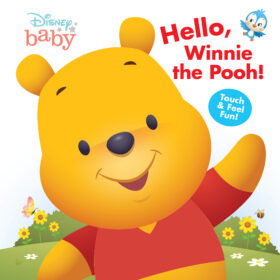
Hello, Winnie the Pooh!
Illustrated By: Disney Storybook Art Team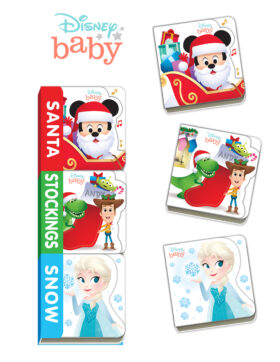
Santa, Stockings, Snow
Illustrated By: Disney Storybook Art Team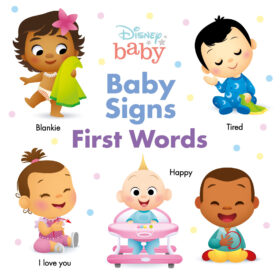
Baby Signs
Illustrated By: Disney Storybook Art Team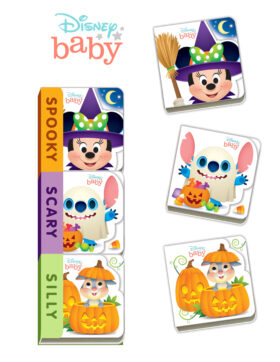
Spooky, Scary, Silly
Illustrated By: Disney Storybook Art Team
I Love You, Mom
Illustrated By: Disney Storybook Art Team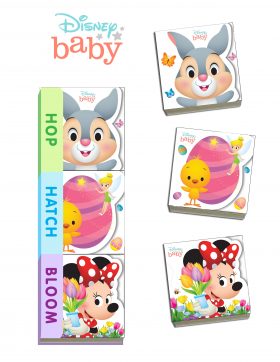
Hop, Hatch, Bloom
Illustrated By: Disney Storybook Art Team
Love, Hugs, Hearts
Illustrated By: Disney Storybook Art Team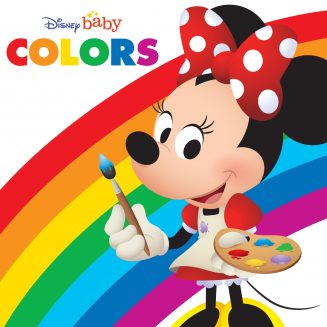
Disney Baby: Colors
Illustrated By: Disney Storybook Art Team
My First Birthday
Illustrated By: Disney Storybook Art Team
Time to Pee! Board Book
Illustrated By: Mo Willems
Disney Baby: My 123s
Illustrated By: Disney Storybook Art Team
Good Night, Farm
Illustrated By: Disney Storybook Art Team
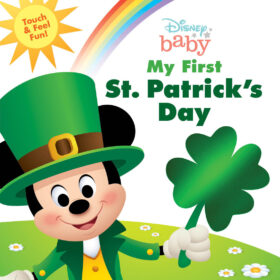
My First Valentine’s Day
Illustrated By: Disney Storybook Art Team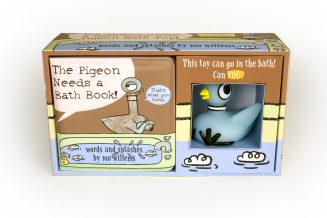
The Pigeon Needs A Bath Book With Pigeon Bath Toy!
Illustrated By: Mo Willems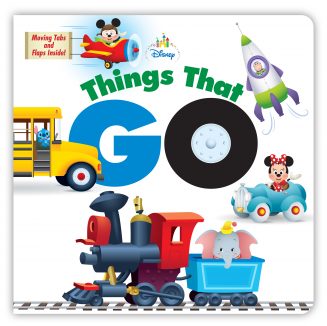
Things That Go
Illustrated By: Disney Storybook Art TeamFor 3-5 Years
View All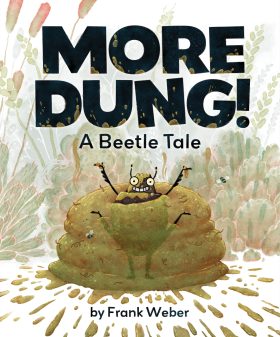
Coming Soon
MORE DUNG!
Coming Soon
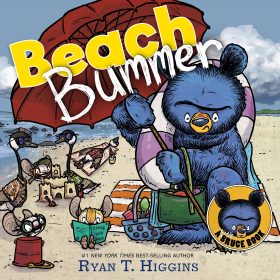
Beach Bummer

For You, I Will
Illustrated By: Laura Freeman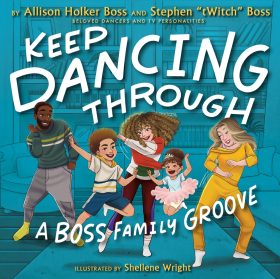
Keep Dancing Through: A Boss Family Groove
Illustrated By: Shellene Wright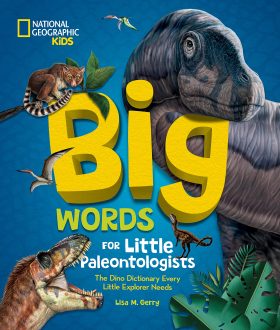

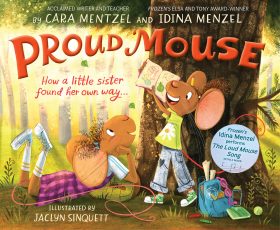
Proud Mouse
Illustrated By: Jaclyn Sinquett
The Sugar Plum Bakers
Illustrated By: Bonnie Lui






For 6-8 Years
View All
Disney Bibbidi Bobbidi Academy #5: Tatia and the Camping Trip Troubles
Illustrated By: Lorena Alvarez Gómez
Disney Bibbidi Bobbidi Academy #4: Cyrus and the Dragon Disaster
Illustrated By: Lorena Alvarez Gómez

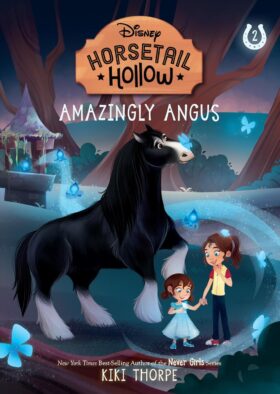
Amazingly Angus: Princess Meridas Horse (Disneys Horsetail Hollow, Book 2)
Illustrated By: Laura Catrinella
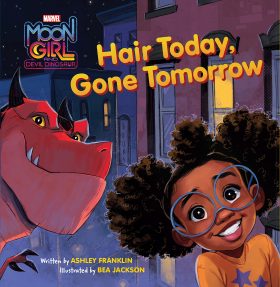

Victory is Sweet
Illustrated By: Saoirse Lou
The Sweet Outdoors
Illustrated By: Saoirse Lou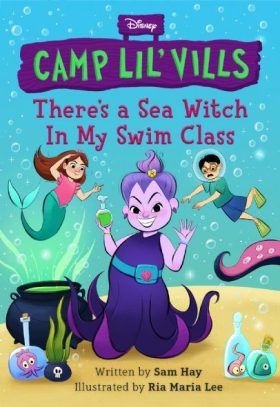
There’s a Sea Witch in My Swim Class
Illustrated By: Ria Maria Lee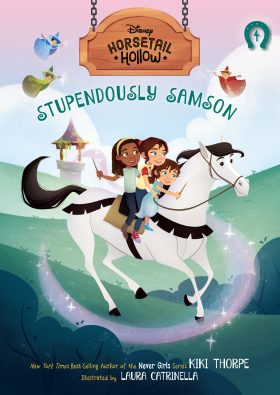
Stupendously Sampson
Illustrated By: Laura
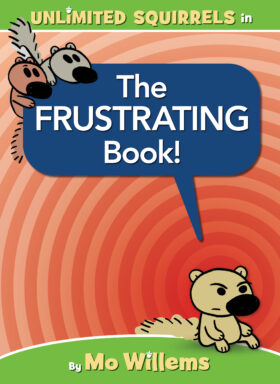
The FRUSTRATING Book!
Illustrated By: Mo Willems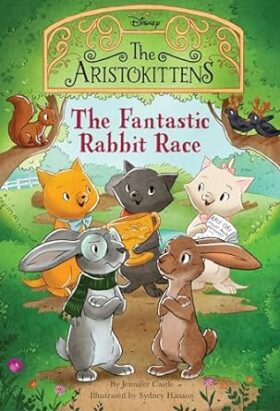
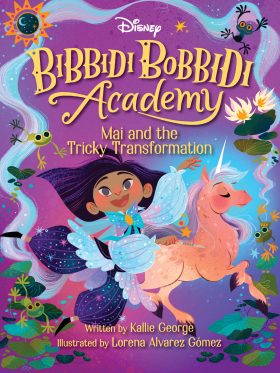
Disney Bibbidi Bobbidi Academy #2: Mai and the Tricky Transformation
Illustrated By: Lorena Alvarez Gómez

For 9-12 Years
View All
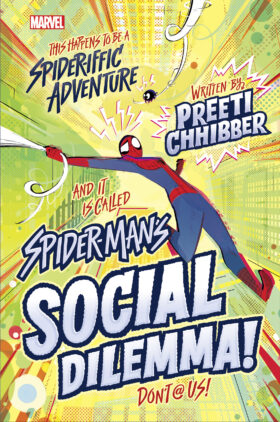
Spider-Man’s Social Dilemma
Illustrated By: Nicoletta Baldari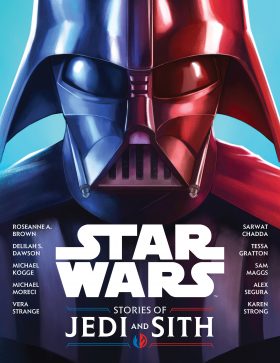




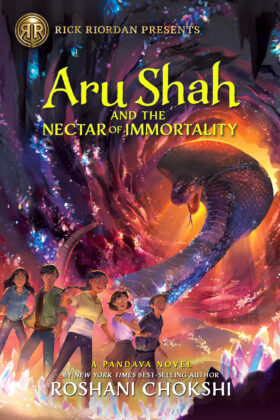






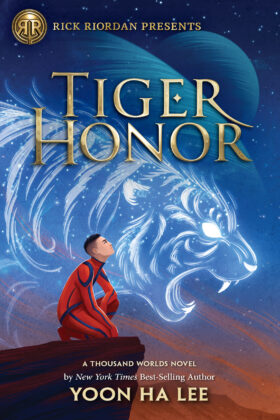

For Young Adults
View All
Coming Soon
Rick Riordan Presents: It Waits in the Forest

Coming Soon
Lie Until It’s True

Coming Soon
Bite Me, Royce Taslim

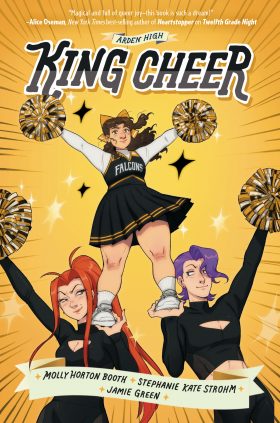
King Cheer
Illustrated By: Jamie Green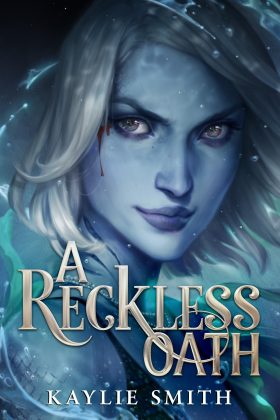




For Adults
View All
Coming Soon
Dog Smart

Coming Soon
Pack Light

Coming Soon
Big Moe’s Big Book of BBQ
Coming Soon
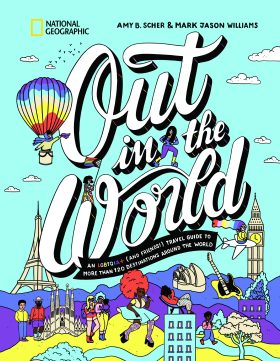
Out in the World

Coming Soon
Tangled Up In You

Coming Soon